




For 45 years, Monadnock Region families whose infants and toddlers experience developmental delays, complex medical challenges or certain genetic conditions have turned to a trusted partner — Rise for baby and family.
At no cost to families, Rise helps support a child’s growth and development with specialized services that focus on the entire family.
“Just having a baby is life-changing,” said Rise Executive Director Alicia Deaver. “Having a baby with special needs is especially life-changing, so we’re here to help families to navigate the system, to really learn more about how they can parent their child and support their child.”
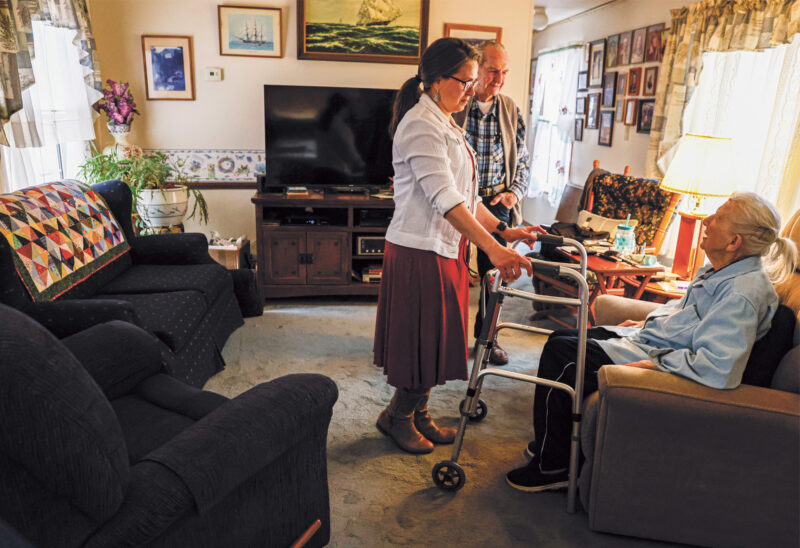
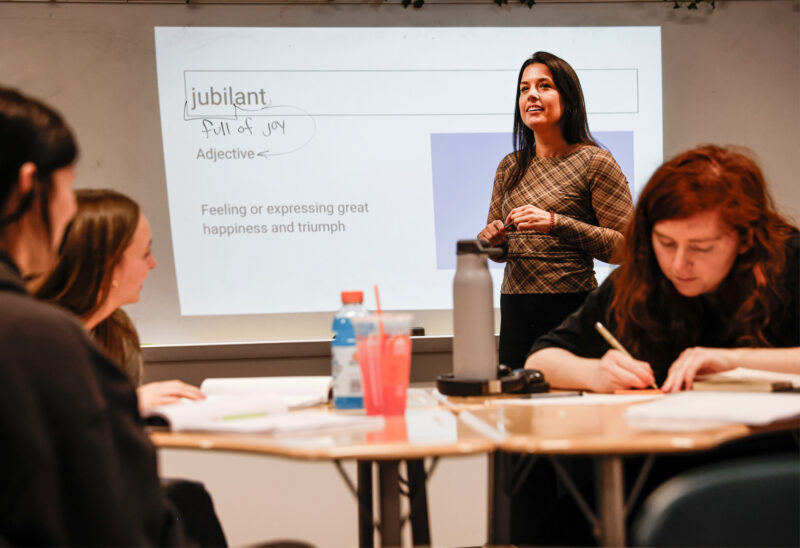
Rise specializes in early intervention, child care and autism services. It supports families and children, ages birth through three, with speech/language pathologists, occupational therapists, licensed educators, physical therapists, social workers and clinical mental health counselors. Rise is the only agency that delivers early intervention services for the Monadnock region’s 34 towns.
The agency bills Medicaid and insurance companies, and through state and federal funding, grants and community support, covers uninsured families, insurance copays or deductibles and specialized services not eligible for insurance reimbursement.
Rise also provides child care to children under the age of three — including typically developing children. Rise is one of the few providers focusing exclusively on children under three — the most in-demand child care slots in the state.
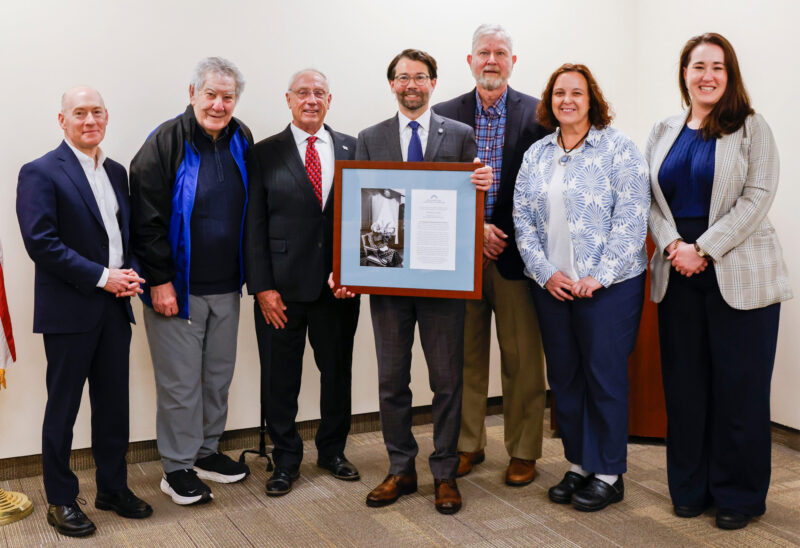
The Charitable Foundation is a long-time supporter, recognizing the Keene-based agency as a leader in providing services and helping build a region-wide network of support for families.
Foundation support has included grants for operating support and projects – and, more recently, a bridge loan through its Impact Investing Program to help Rise through a challenging time.
Rise stayed open and maintained staffing levels throughout the pandemic to avoid interruptions in services. But federal pandemic-relief funds to the organization were delayed. The Foundation loan is helping Rise operate while it works to secure those funds — at a time when the number of clients doubled compared with pre-pandemic levels.
(The number of Rise clients fell during COVID, returned by 2022 to pre-COVID levels, then exploded from 250 clients to more than 500 today.)
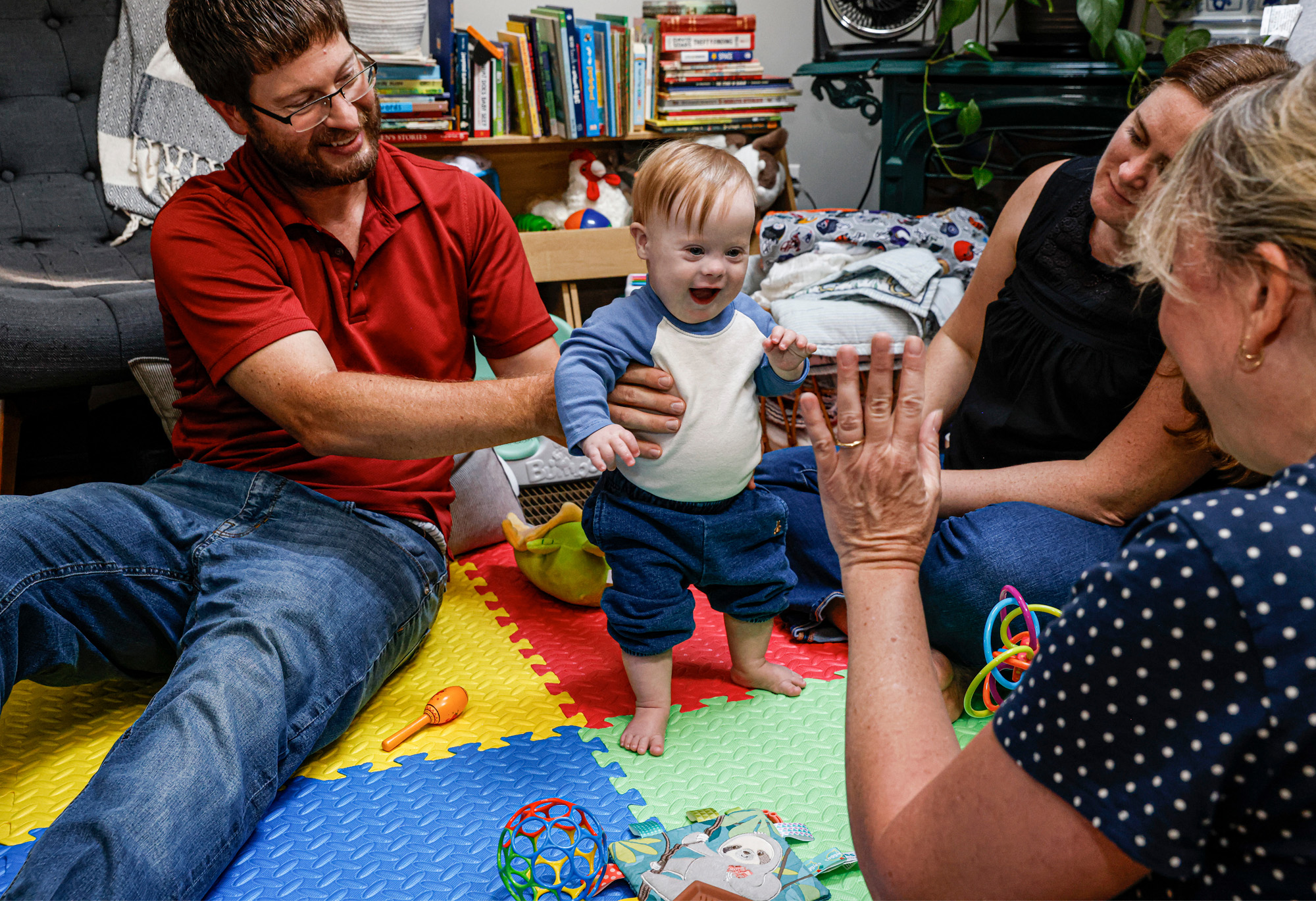
Newer Rise families include Samantha and Ben Jacobs of Keene, and their nine-month-old son, Teddy, who was born with Down Syndrome. The genetic condition can cause developmental delays and present risks for other health issues, though many with Down Syndrome lead healthy, active and fulfilling lives.
A Rise occupational therapist, Jill, visits Teddy once a week to track his progress, help with exercises to develop motor skills such as grasping things and rolling over, and discuss how Samantha and Ben can support their baby.
“She shows us a lot of things to do for exercise,” Ben said. “She’ll do some, she’ll guide us through, and then say, ‘You can do this throughout the week.’”
She also identifies household objects that can help Teddy.
“She’ll say ‘Oh, here’s a nice corner on the couch that you could prop him up at and kind of help him learn how to sit up on his own,’” said Samantha.
Both said Jill’s visits are reassuring.
“She isn’t judgmental,” Samantha said. “She’s always willing to work in whichever room we choose, whether it’s the family room or his bedroom. She sits right on the floor with him and us, and we all work together. It’s been a good relationship.”
Ben and Samantha said they believe Teddy sees Jill’s visits as playtime, not therapy.
“It’s like, oh, your friend Jill is here,” Ben said.
That’s no accident. Rise supports children and families as part of their normal day, often at their home, by treating serious work as fun for the kids.
“It’s turning these complicated therapies into play — toothbrushing and bathtime and mealtimes and bedtime routines and playtimes,” Alicia said.
They’re also modeling how parents can help on their own.
“We believe that the 45 minutes or hour a week that we’re in the home is not life-changing,” Alicia said. “It’s what parents’ everyday interactions are afterward that really changes the child’s life and trajectory.”
Rise parents tell her the approach works.
“One of my favorite parts about being the executive director and going out and doing events is that we always have community members who say, ‘Oh, Rise made such a difference in my child’s life. They’re now 22. They’re graduating from college. They wouldn’t have gotten there without the Rise services.’”
That’s far from the days when many children with special needs stayed home – their parents hearing that the kids couldn’t benefit from school. Some children were institutionalized; many remained totally dependent.
Alicia said early intervention is important because from birth to age three, the brain forms the pathways of development.
“If we’re thinking about a communication delay or a motor delay, if we deliver those early intervention services, we’re helping the brain to lay down the proper pathways for supporting that development,” Alicia said. “After age three, but especially after age seven, those pathways are set, so then you’re having to go in and rewire existing pathways. It’s much more costly and much more time intensive to rewire than it is to help lay down the foundation.”
Rise providers are trained in multiple aspects of child development such as motor, play, communication and social emotional skills.
“In early childhood, all the areas of development are interrelated,” Alicia said. “You can’t work on motor (skills) without working on speech. You can’t work on speech without working on social-emotional. That means we could have a physical therapist who’s also working on speech development.”
Rise ensures that when appropriate, children are matched with specialized therapists.
Some parents hesitate about seeking help when they wonder about how their child plays, learns, speaks or acts. But, Alicia said, reaching out is important.
“There’s no shame in asking for help,” she said. “We all need help as parents … and there are a lot of opportunities for parents to be connected and to get the information they need to support their child.”
Samanta and Ben say they and infant Teddy already are benefitting from Rise services.
“There are things that we don’t notice that he’s trying to do, or we’re trying to do things that he’s not ready for, so Jill is helping us in speeding things up as well as slowing things down and trying to get us on pace with him,” Ben said.
They anticipate a long relationship with Rise, with additional services such as child care, physical therapy and speech therapy.
“I assume we’ll need those services in the future, and I look forward to working with Rise because I expect that we’ll have just as good of an experience,” Samantha said. “I’m glad to know that we’ll be working with them.”
Related Stories

‘We all march together’
Louis Esposito of ABLE NH works toward full inclusion for people with disabilities.

Onward in partnership
Supporting students from enrollment through graduation.

Onward with determination
Helping farms adapt to the climate crisis.