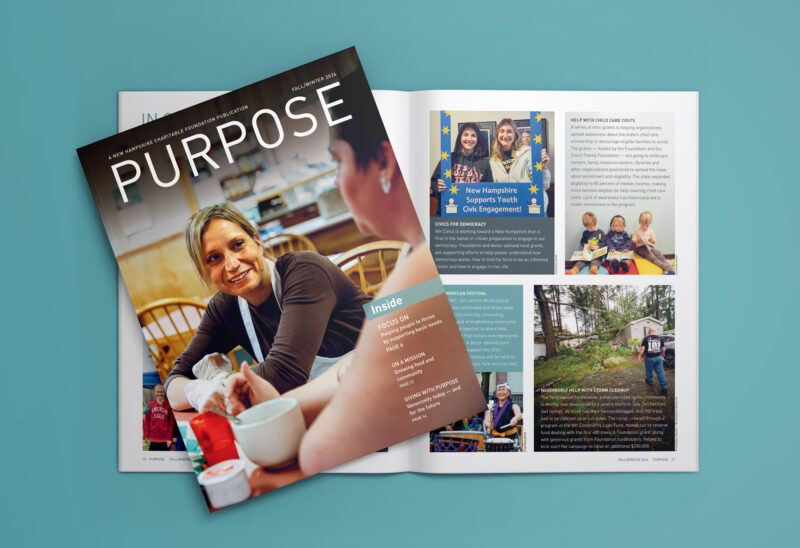






In a time of real and present peril, isolation and fear, the first thing you notice in this room is laughter.
The people around this table have traveled different roads — some started in Puerto Rico, some in Venezuela, others in Colombia, Guatemala, Nicaragua, the Dominican Republic. Their roads led to New Hampshire, to jobs and dreams and family…and to Centro Latino de New Hampshire for English classes on a Saturday morning.
As students wrestle with English demonstrative pronouns and irregular verbs (“these are my books/this is my book”) they encourage each other, gently correct pronunciation — and laugh together.
Centro Latino builds belonging and community strength among the state’s largest racial/ethnic minority. Latinos represent five percent of New Hampshire’s population. U.S. citizens from Puerto Rico are the largest subset of the state’s Latino population. The people Centro Latino serves work in health care, child care, restaurants, manufacturing, construction — and more.
Centro Latino helps with job searches and housing and finding medical care. A moms-and-babies group offers maternal health support, friendship and education. Citizenship classes help people prepare for the responsibilities and rights of becoming U.S. citizens. People stop in for help navigating school enrollment, mailing letters, understanding documents, requesting advocates to accompany them to important appointments.
Sometimes people come to speak Spanish where it feels safe to do so. Sometimes they want to make copies of their legal documentation to carry, and to make sure someone is designated to care for their children in the event of an ICE encounter.
“These are not friendly times for immigrants,” said Eva Castillo, a founder of Centro Latino. “Latinos are a target.”
Centro Latino is a descendent of the Latin American Center, which opened in 1982 and operated for 30 years.
Karina Bonilla, Centro Latino program director, is part of a new generation of leaders mentored by Eva, Centro Latino co-founder Dr. Trinidad Tellez and others.
“To truly achieve immigrant justice,” Karina said, “we also need to have trans justice, and housing justice and climate justice. What’s happening to all of us is impacting all of us.”
Camila, whose road began in the Dominican Republic, said Centro Latino is “maravilloso,” and “like a family” that helps her feel less isolated. English fluency, she said, “is so important, so I can feel part of the community.”
Angélica’s road started in Venezuela, where she was a trained psychologist.
“I want my children to be in a place free of repression,” Angélica said. “I want them to be on a path of peace and humility, to know that they are free and they are powerful.”
This story appeared in our 2025 annual report. Read the full report here.
Related Stories
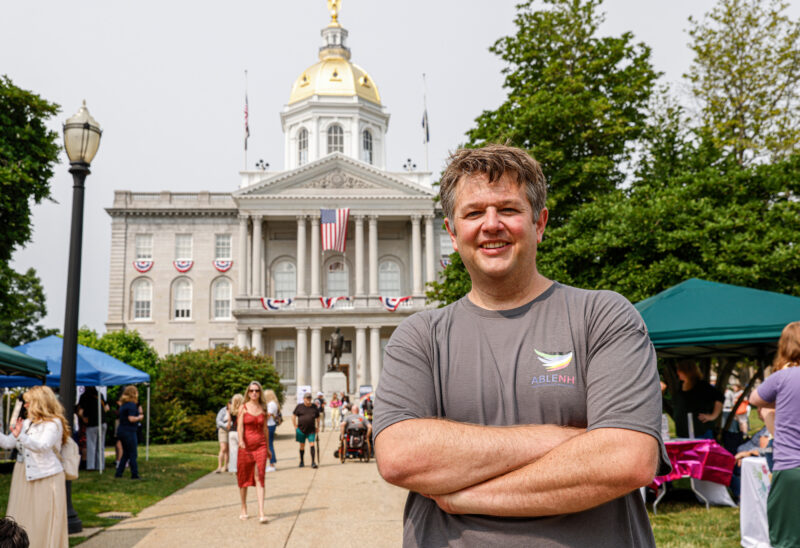
‘We all march together’
Louis Esposito of ABLE NH works toward full inclusion for people with disabilities.

Onward toward justice
The ACLU of New Hampshire protects civil liberties with tenacity in chaotic times.

Celebrating Pride across the Granite State
New Hampshire communities are hosting events to uplift community, inclusion, and joy during LGBTQ+ Pride Month.