
Environment
We believe that all people in New Hampshire should have access to natural resources and a safe and clean environment to support their health and quality of life.
Why it matters
New Hampshire’s forests, lakes, wetlands and mountains are the state’s most treasured assets.
Conservation of and access to those natural resources improves the health and well-being of Granite Staters while also driving economic activity for the state.
However, natural ecosystems in New Hampshire are increasingly threatened by development and the climate crisis. Recent policy changes have also reduced funding and other support for environmental protection and climate-change mitigation, and threaten to reverse progress in important areas.
Environmental harms from pollution, climate change, and substandard neighborhood conditions disproportionately affect low-income rural and urban communities. The people in those communities are more likely to face the negative impacts of an unsafe environment, with greater proximity to landfills, industrial plants and unsafe streets and housing. These communities are also poised to suffer the greatest impacts of the climate crisis, in part due to their distance from natural areas that buffer against extreme heat, poor air quality and floods.
Climate change is affecting the health of all Granite Staters, driving increased prevalence of childhood asthma, poor air quality and insect-borne diseases along with increased risks of both flooding and extreme drought. And it affects our economy, threatening industries like skiing, tourism and maple sugaring.
When our environment is protected and the effects of climate crisis mitigated, everyone stands to benefit.
By the numbers
2050
Year by which New Hampshire’s climate is projected to mirror that of North Carolina’s current climate, if carbon emissions continue at current rate.
90%
Percentage of people of color in New Hampshire who live in a “nature deprived” census tract.
17%
Percentage of white people in New Hampshire who live in a “nature deparived” census tract.
52%
Projected increase in extreme precipitation events driven by climate change in the northeast by 2099.
What we're doing
With support from generous donors, we are funding advocacy for climate action and improved environmental policies at the state and local levels; supporting environmental justice efforts that help people challenge negative environmental impacts in their communities and advocate for a healthy environment; helping nonprofits improve community engagement; and working to ensure that people from low-income communities, communities of color and people with disabilities have access to the outdoors.

A multiyear grant to the North Country Alliance for Balanced Change is supporting community-based efforts to prevent potential environmental harm posed by a planned landfill in Dalton, a small, rural town in Coös County. (Photo courtesy of NCABC)

Funding is helping conservation and grassroots groups across New Hampshire to create nature trails that are accessible to all — including those who use wheelchairs. Trails have been built or are underway from Pelham to Ossipee. (Photo © Riveo for The Nature Conservancy)

A grant is helping to provide staffing to the New Hampshire Land Trust Coalition for education, outreach, and advocacy work, all with the goal of advancing land conservation. (Photo © 2017 University of New Hampshire)

Support for the Conservation Law Foundation is helping to build the political will to advance climate action in New Hampshire, with the goal of achieving legislation that would enable the state to reduce its climate emissions to net-zero by 2050. (Photo courtesy of Granite State Organizing Project)

Ongoing support for nonprofits, including the New Hampshire Association of Conservation Districts, NH LAKES and others is helping conservation organizations across sectors to more effectively learn from one another and work together.
Short-term goals
Given recent federal and state policy and budget actions, our focus for the next three to five years will be:
Build nonprofit capacity
Determine needs of nonprofits based on the current political and funding climate and respond accordingly — including funding to build capacity for nonprofits to meet their missions.
Advance long-term policy changes
Support organizations that are well-positioned to build public will for meaningful, long-term policy changes, including statewide conservation organizations and local and regional organizations.
Expand access to the outdoors
Support projects that expand people’s access to green space and the outdoors, especially for those whose access is limited by ability or geography.
Encourage peer-learning and collaboration
Support opportunities for peer-learning among environmental organizations and with other nonprofits to build relationships and create opportunities for cross-sector collaboration.
Advance climate action
Continue to build support and momentum for climate action at state and local level.
Stories and updates

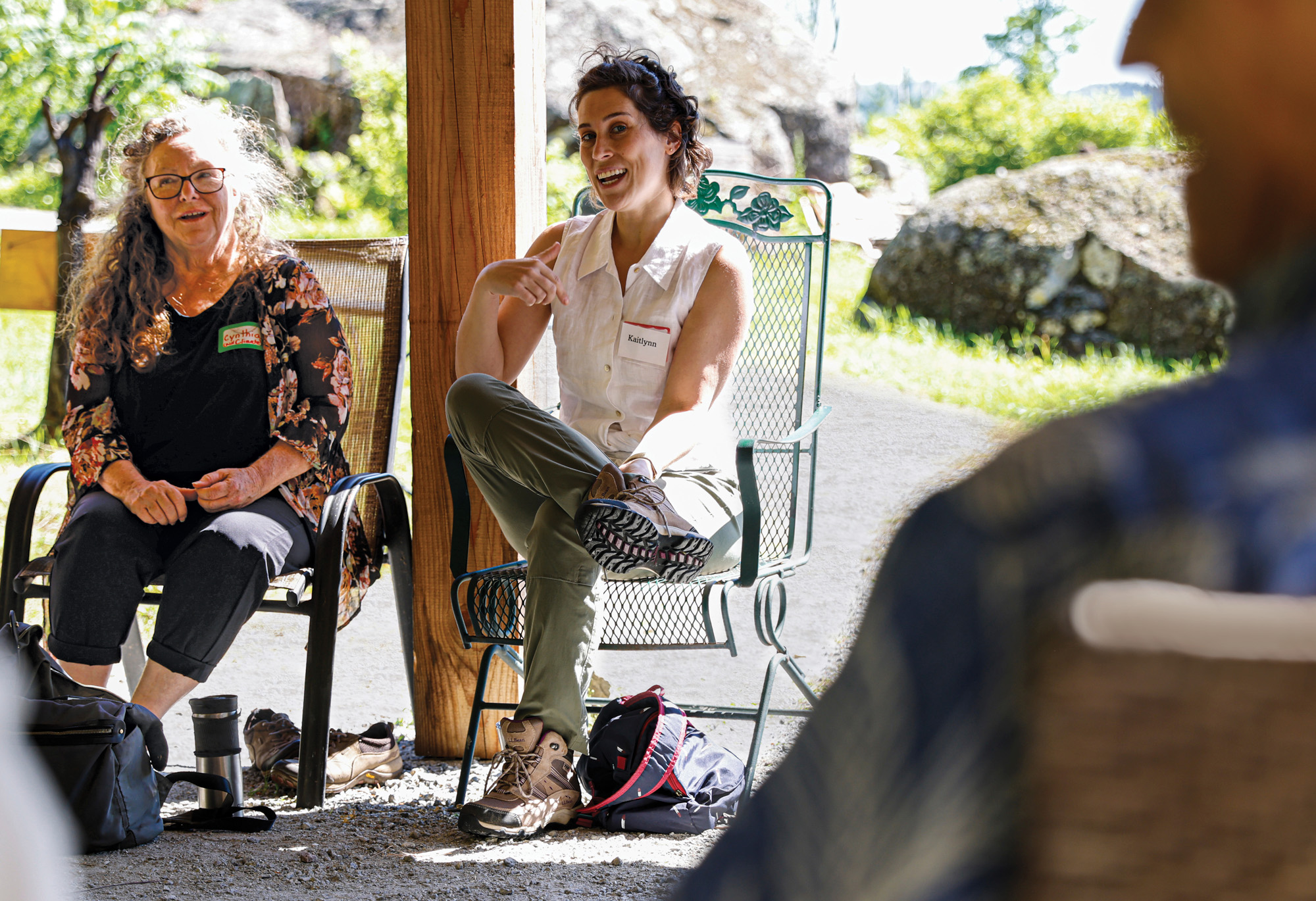
Purpose in community
Volunteers come together to make nature accessible to all.
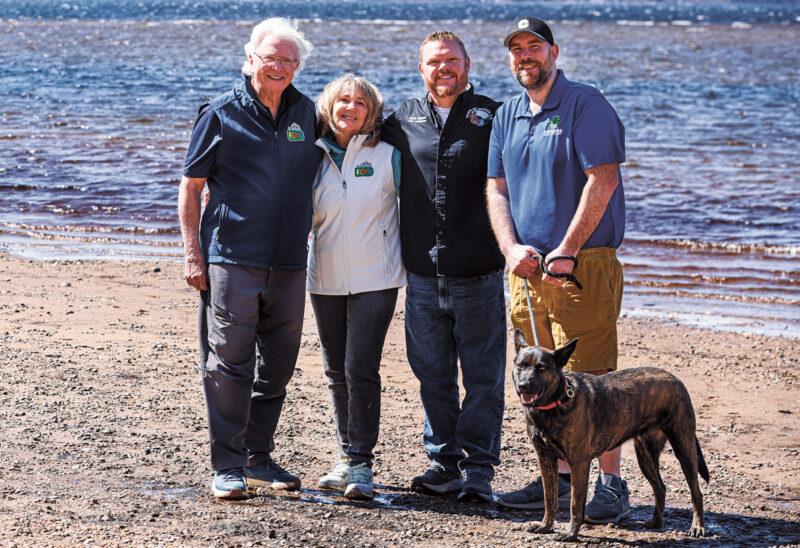
Taking a stand on climate
Why health care workers are speaking up about climate change.
For more information, contact:

- Meena Gyawali
- Initiative Leader, Environment
 603-225-6641 ext 219
 Email Meena