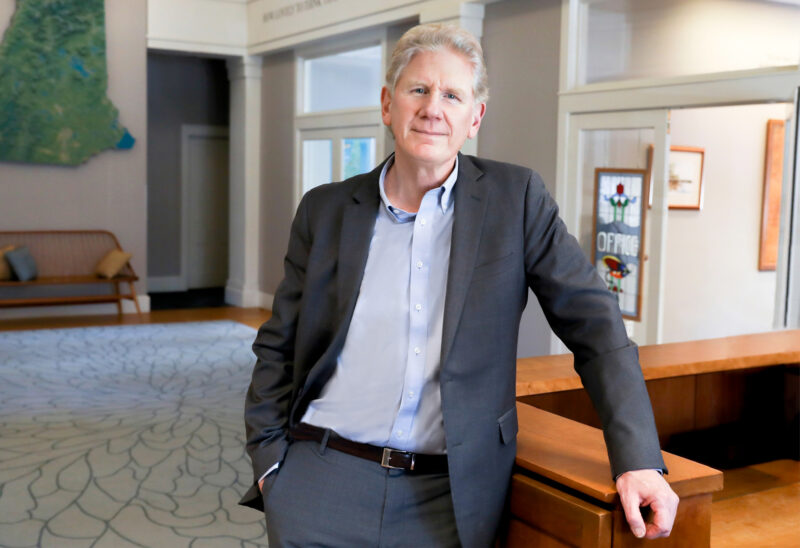






Dr. Brian Beals is a pediatrician at Coös County Family Health Services in Gorham, a member of the New Hampshire Medicaid Matters Coalition. The 80-member Coalition is working to protect Medicaid, which 13 percent of people in New Hampshire rely on for access to health care. Dr. Beals spoke with Lois Shea about why Medicaid matters for families and the effects of recent federal and state changes to Medicaid, including new work requirements, added premiums and discontinuation of coverage for some people based on immigration status. As these new rules are implemented, up to 29,000 adults in New Hampshire stand to lose coverage by 2028, according to an analysis by the Urban Institute.
Nearly half of New Hampshire’s Medicaid recipients are children — including many of your patients. Why is Medicaid important for children’s health?
I like to start with a level playing field: Every child deserves to have a high-quality pediatric medical home and what insurance they have shouldn’t matter. All children deserve access to medical care, and not just when they are sick. We don’t want them to bounce from urgent care to ERs. And so much preventive care happens when they have that access. But lack of insurance becomes a huge barrier, and then people don’t come in for preventative care because they think, ‘If we do, then are we late on the rent or do we miss a meal?’ And that is just not fair.
How are the anticipated changes in Medicaid affecting families?
We have a climate of fear. We have increased parental anxiety because of the changes that are coming. Kids know mom and dad are stressed, and they have behavior problems and act out. Kids who are stressed are distracted, so they don’t do as well in school, and being stressed affects your immune system, so they are more likely to get sick. People who have more resources wouldn’t have to give it a second thought.
More people, including children, are eligible for Medicaid than are enrolled. Why is that?
Many working parents, working full-time, are still eligible for Medicaid for their kids. But getting that message out is complicated. In some cases, people don’t apply because the process can be very complicated. It is great that people can apply online, but the website could be improved to make it easier to navigate.
You can also be eligible one month and not the next — especially when people have seasonal work, like in the ski industry. So people worry about when to apply.
One in four New Hampshire children are covered by Medicaid. What do you expect to see when a monthly premium is added for families whose kids are in the CHIP program?
There are going to be families who no longer will buy it. They will say, ‘We are just going to gamble, and set a little money aside each month.’ That works really well until it’s a disaster.
New work requirements go into effect in January. What effect might that have on families?
Many of the adults who have kids on Medicaid are already working. It gets trickier if one parent is working and the other is staying home because child care would cost more than what that parent would make. And if people lose coverage, but they are doing well on the treatment they’re on, are they going to be able to continue to afford that treatment?
What are some ripple effects on the health care system if fewer people are covered by Medicaid?
Hospitals are already struggling, and they will be giving out a lot more free care. Are we going to have a hospital close or cut a service, like maternity services? More people will be using emergency services, which will be more crowded for everyone.
It is just sad that we are having to have these discussions. Access to health care should just be a right. We should be talking about improving Medicaid — not taking it away from people. I don’t think there is anyone anywhere who really thinks that taking health care away from people is a good idea.
The Medicaid Matters Coalition has hosted community conversations to help families stay informed. Read more at nhneedsmedicaid.com/events. The NH Department of Health and Human Services is working on solutions to lower the number of those at risk of losing coverage. Learn more at Stay Covered New Hampshire.
Related Stories
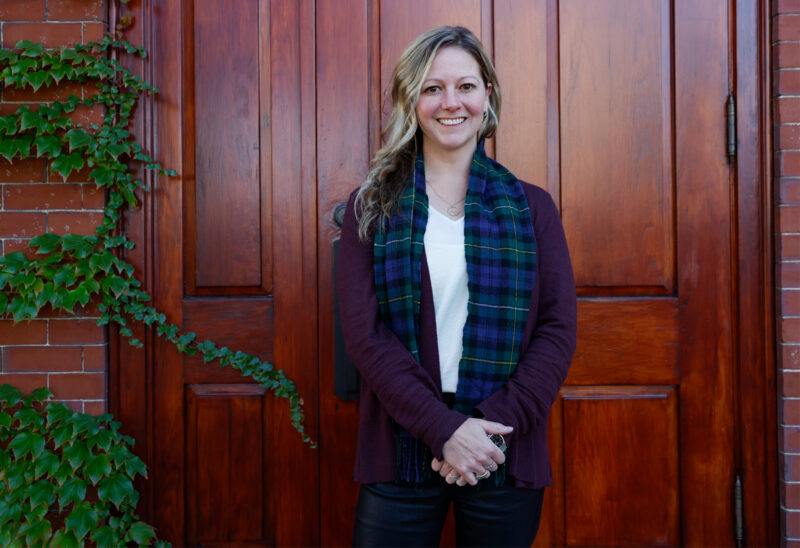
Hannah Campbell joins Charitable Foundation as director of Tillotson Funds
Campbell will oversee the Neil and Louise Tillotson Fund, which invests in the people and organizations of the North Country. She will also provide leadership for the broader family of Tillotson funds administered by the Foundation.
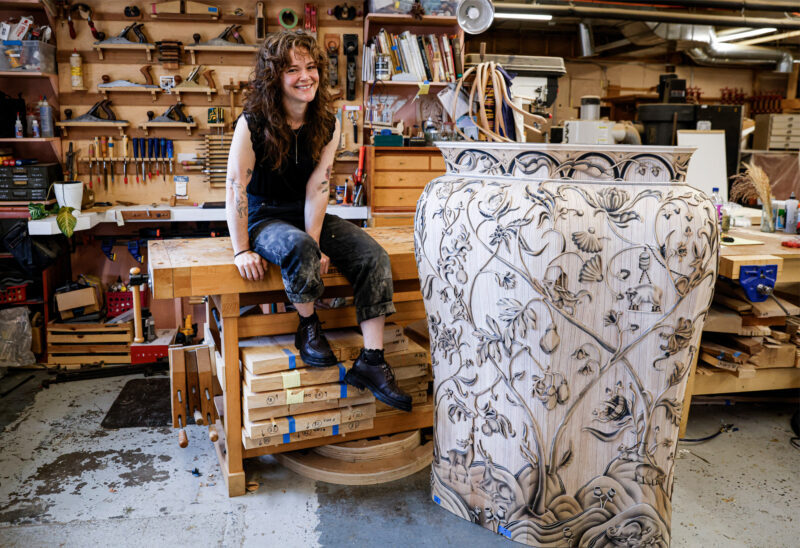
Aspen Golann awarded 2026 Artist Advancement Grant
Rollinsford furniture maker/sculptor awarded grant that helps cultivate the Piscataqua Region’s arts community, boost artists’ careers and helps them live and work in the area.
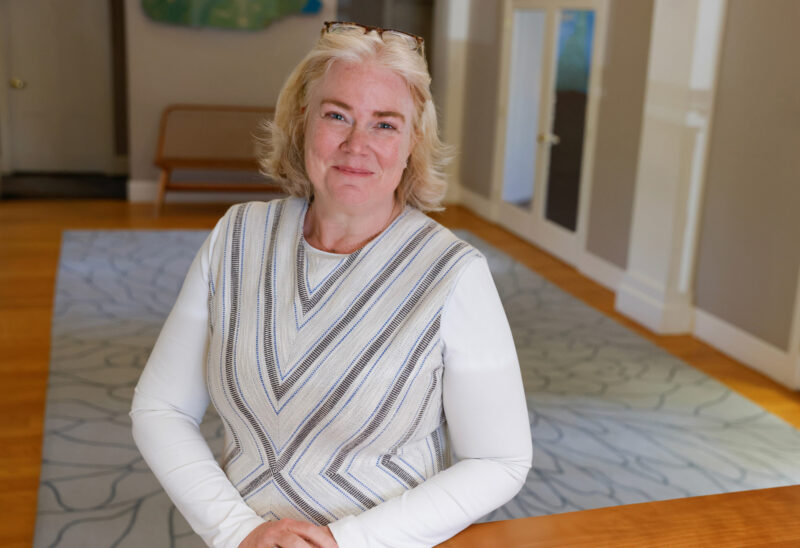
Meet Shawn Morehead
Shawn Morehead joined the Charitable Foundation in July as president and CEO. She spoke with the Foundation’s Lois Shea about the unique role of community foundations in this moment, about a lifetime of working to expand opportunity, about her strong ties to New Hampshire, about the Red Sox/Yankees rivalry — and more.