





Most of Jeannette’s life was spent waiting.
Jeannette (who asked that her real name not be used) was 12 when war broke out in the Democratic Republic of Congo. Her family fled for their lives into Rwanda. There, they lived in the limbo of refugee camps for nearly three decades, waiting for peace.
Hope and faith, somehow, endure. Jeannette went to school in the camps, got married and had children.
Eventually, she was told that her family was being resettled to the United States. But, she recalls, her husband’s paperwork was incomplete and delayed. Their family faced the searing choice to stay together in the camp — or for Jeannette to go ahead with the children and wait for her husband to follow.
She and the children boarded the plane.
When Jeannette arrived in New Hampshire four years ago, the culture, language, climate and food were completely foreign.
Overcomers Refugee Services helped her find her footing.
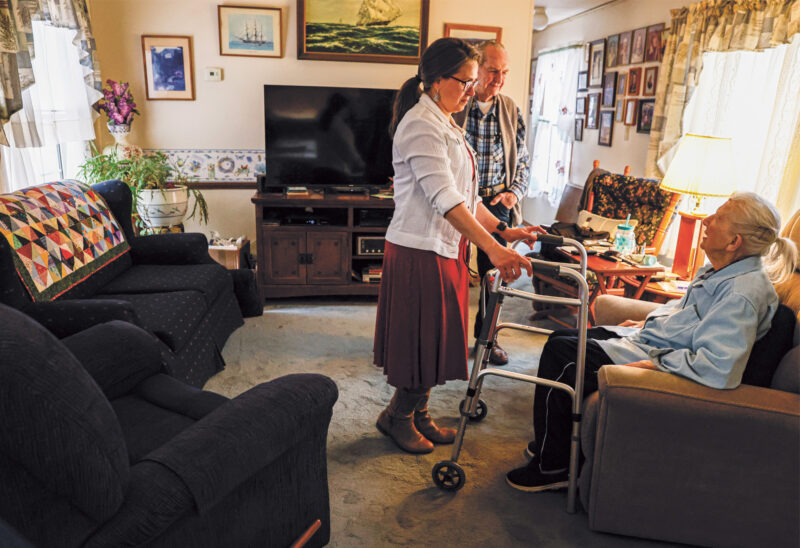
“They were like my parents,” she said, through an interpreter. “They guided me and showed me how kids go to school, how to go to the doctor. They gave me rides to appointments. They helped me to find a job. They gave me shoes for the kids.”
Overcomers works with more than 350 families, mostly in the Concord area, who were resettled here by the U.S. State Department. The U.S. Refugee Resettlement Program provides time-limited assistance to help people gain economic self-sufficiency.
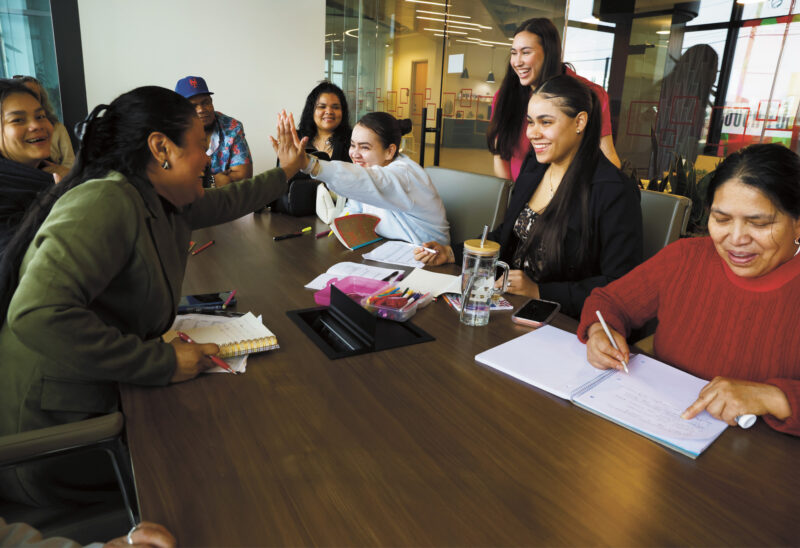
Overcomers helps people secure stable housing and employment, improve English-language skills, navigate health care systems, prepare to become U.S. citizens and more.
A recent grant from the Charitable Foundation’s Racial Justice Fund is helping to support that work.
Increasingly, Overcomers’ role is also to track changes to federal policy that affect the people they serve.
“People are asking us what is going to happen,” said Overcomers Executive Director Clement Kigugu. “They hear about ICE, but they don’t know whether ICE will come for them. This shows how afraid they are. It is a challenge for us to navigate. Our job was to help with everyday life, now we are also checking all the time if there is any policy change and informing people.”
Some Overcomers clients are anxiously awaiting approval of green cards, but applications are taking an abnormally long time to process. A 2025 rule eliminated automatic work permit renewals for noncitizens. Because of changes embedded in the federal “One Big Beautiful Bill” act, most refugees will no longer be able to get health care through Medicaid or food assistance through SNAP. And a new policy compels refugees admitted between 2021 and 2025 to repeat the vetting process that already cleared them to come to the U.S.
“People came here thinking ‘thank God, now we are safe we are going to start over a new life,’” Clement said. “They work hard to make sure the kids get food and go to school. That is the goal for new American people. They want to be stable.” Recent changes, he said, are “pushing people to the edge.”
And, he said, a new ugliness has surfaced. “People who are anti-immigrant, they feel that they can say whatever they want. I have been in Concord for many years, and I have never had this kind of discrimination before.”
At Overcomers, services are provided by people who understand the reality of being refugees — because they have lived it.
On a recent afternoon, Chekeri Byimanikora, an Overcomers case manager, switched seamlessly between English and Kinyarwanda on the phone to explain the Medicaid changes to clients. Then she took a call from a woman who works in home health and whose work permit is about to expire. “What am I going to do?” the woman asked.
Chekeri’s family also fled warfare in Congo to refugee camps in Rwanda. They lived in a tent, without enough food or water, waiting to go home to their farm. Instead, she recalls, her family was told they would be resettled. They did not know where they were being sent until they reached the gate at the airport in Kigali. They came to New Hampshire with what they could carry.
“I didn’t know another kind of life other than being a refugee,” Chekeri said.
Chekeri entered Concord High School at 17, speaking no English, and graduated just shy of her 21st birthday. She earned a social work degree at Plymouth State University. Refugee families, she said, have survived unthinkable circumstances.
“They didn’t bring things onto themselves,” she said. “It was never their choice.”
Jeannette now works at a food-processing plant. Her two eldest children also work, the four youngest are in school. She has found a church community and maintains close connections with Overcomers.
“There are many things I am still learning, and they are still helping me,” she said.
Among Jeannette’s youngsters are an aspiring teacher, police officer, soldier and doctor. She just wants them “to have a better future.”
Since Jeannette arrived, the U.S. has severely curtailed the number of refugees allowed into the country. Her husband remains stuck in Rwanda.
Tomorrow, Jeannette will get up, make sure the kids are ready for school and get to work for her 6 a.m. shift.
New Hampshire, she says, is “A good place. It makes me happy to live here. It is a cold place, but I got used to it because now that is a part of home.”
Related Stories
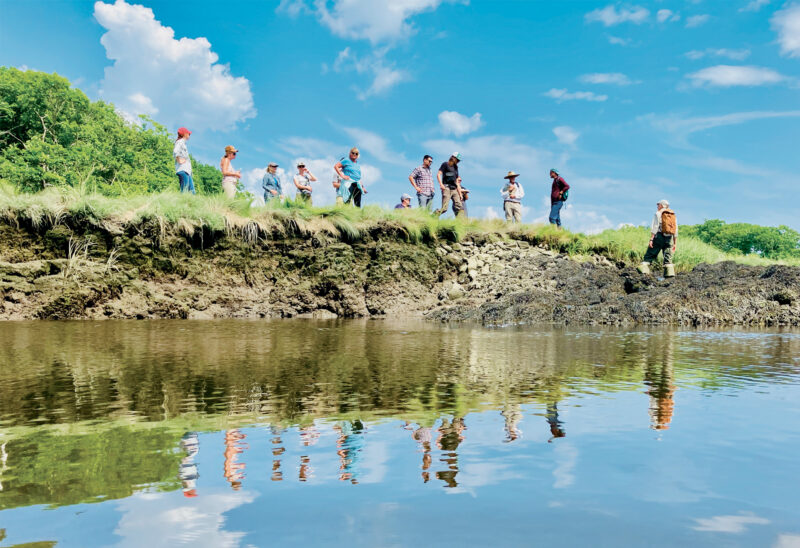
Many hands, one goal
Great Bay 2030 is a collaborative, long-term effort to improve the health of New Hampshire’s ‘inland sea’ and its watershed.
Medicaid Matters
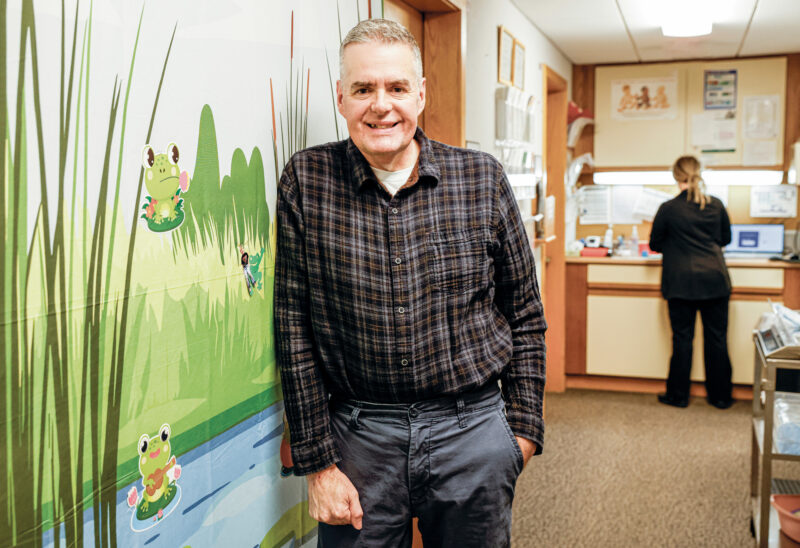
Dr. Brian Beals, a pediatrician at Coös County Family Health Services in Gorham, spoke with Lois Shea about why Medicaid matters for families and the effects of recent federal and state changes to Medicaid.

‘Showing up matters.’
AmeriCorps alumna delivers address to new City Year service members: ‘Show up. Even when you aren't sure you're making a difference. Especially then. Your presence matters more than you may ever know.’