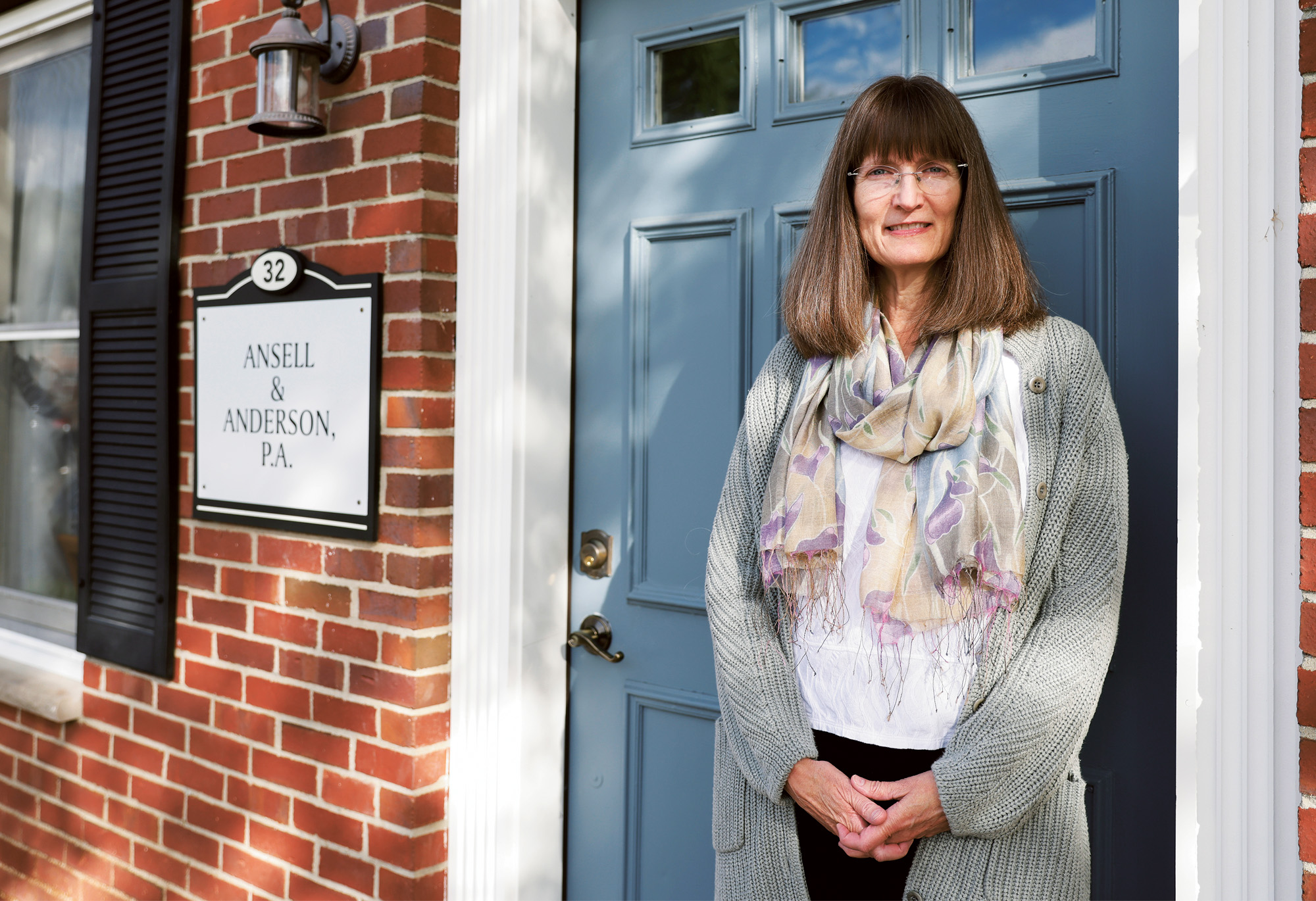


How do you incorporate talking about philanthropy into your practice?
Before the first meeting with a client, we send a confidential client data form that is intended to elicit a lot of the information that we need to draft documents for them. Included is a question about whether they have intentions to benefit charitable organizations. Most of the time, it will come up that way. But we also have philanthropic families where we represent the second, third and fourth generations, so we have been working with the family for decades.
You worked with a client who created the donor-advised Dragonfly Fund at the Foundation to address mental health, basic needs, the environment, health care access and civic engagement. How did that come together?
When the client expressed interest in having a portion of their trust pass to a charitable organization, I suggested that they might want to research and consider the Charitable Foundation as a resource. I connected the client with a Foundation philanthropy advisor. After a series of meetings with the philanthropy advisor, the client was able to refine their charitable giving intentions into the Dragonfly Fund. One of the benefits of working with the Foundation is that the advisors are knowledgeable and patient. They help a donor to fine-tune their giving intentions and connect them with nonprofits in the state with missions that resonate with the donor.
You often work with folks who have run businesses and are interested in giving back.
Sometimes people who have substantial wealth and want to give to charity need assistance. They have spent their whole lives building their business and being successful and then they think, ‘Huh, what am I going to do with this money?’ I have had more than a few of these folks who are not sure what the options are, and the Charitable Foundation is the perfect place for them. Foundation philanthropy advisors sit with them and help. Maybe their interest is cancer research or helping New Americans — and you draw out from them enough detail and help connect them with organizations that need funding. The Charitable Foundation is just like the biggest library of information about nonprofit organizations in New Hampshire.
Do you have many clients interested in setting up private foundations?
Thirty years ago, it was much more common. For many years we have not done much of that because most people can create a donor-advised fund or a scholarship fund though the Foundation and achieve most of their goals without the various compliance requirements of a private foundation.
What would you suggest to fellow advisors about discussing philanthropy with clients?
First, it has to come from the clients. And then it is really listening, like all the work we do — understanding why the clients want to do what they want to do. And there is no better conduit than the Charitable Foundation for a client who is interested in charitable giving.
For information about how the New Hampshire Charitable Foundation can help advisors help their clients with charitable giving, please contact Michael DeCristofaro, Foundation director of advisor relations at Zvpunry.QrPevfgbsneb@aups.bet or 603-225-6641 ext. 251.
Related Stories

For advisors: A checklist for charitable tax rules in 2026
Read more about how new IRS thresholds and policy provisions may affect charitable giving.

NH Business Review 2026 Charitable Giving Guide now available
New Hampshire Business Review’s 2026 Charitable Giving Guide highlights the work of New Hampshire nonprofits and connects readers with ways to give back and get involved.

Act now, give more
Why 2025 provides a window of opportunity to support your community.