
Basic Needs
We believe that everyone deserves access to safe and affordable housing, healthy food and other necessities.
Why it matters
When people have access to safe and affordable housing and healthy food, families and communities have greater stability, people are healthier, and children do better in school and can grow into adults who thrive in communities and careers.
But too many people in New Hampshire struggle to meet basic needs, including for housing and food. Scarcity of affordable housing, increased food costs and more have combined to make need even more acute. While New Hampshire has among the highest median incomes and among the lowest rates of overall child poverty in the nation, averages mask deep crevasses of poverty. People in rural communities, those with disabilities, families with modest incomes, and many people of color are disproportionately affected.
Recent funding and policy changes at the federal and state levels mean that nonprofits that help people meet basic needs will receive less support while the people they serve will experience greater need and reductions in service.
By the numbers
10%
Percentage of Granite Staters — including more than 13% of children — who experience food insecurity.
69%
Percentage of people eligible for SNAP in New Hampshire but are not enrolled.
60,000
Number of new housing units needed in New Hampshire by 2030.
$56,026
Annual salary needed to afford a one-bedroom apartment in New Hampshire, where the median income is $46,197.
What we're doing
With the help of generous donors, the Charitable Foundation is working to increase funding available from public sources and fellow funders to make sure people have adequate food and stable housing. While philanthropy cannot hope to backfill federal and state funding cuts, the Foundation remains committed to providing annual unrestricted operating support for organizations serving the most vulnerable populations in our state and are supporting organizations working on housing, homelessness, hunger, local food production, transportation, and community health.
We are working to help strengthen nonprofit operations, partnerships and communications, making strategic impact investments, and using the Foundation’s voice to advocate for a state where no one is hungry or without a place to call home. Here are a few examples of what we’re doing:
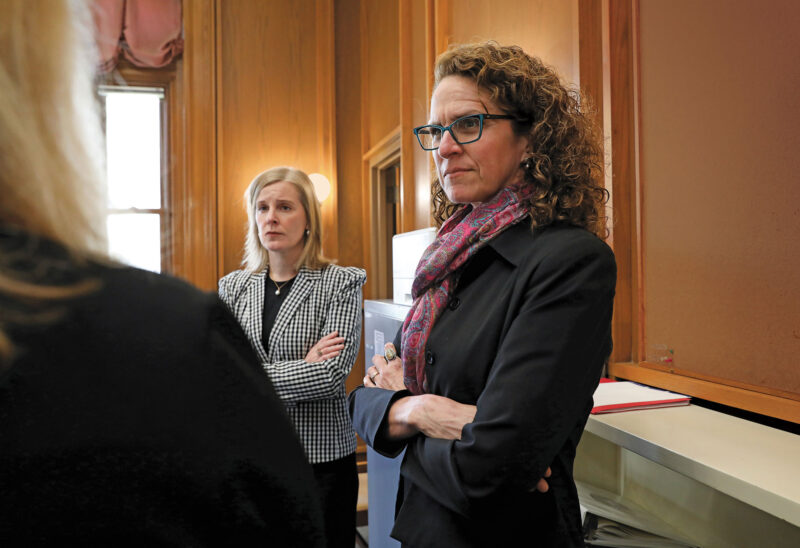
Expanding access to nutritional assistance programs
Multi-year operating support to New Hampshire Hunger Solutions is supporting efforts via legislative action to change policies and practices in New Hampshire — like increased availability of school breakfast, summer meals for children and improved education and outreach so people who are eligible for assistance programs like the Supplemental Nutrition Assistance Program (SNAP) and Women, Infants and Children (WIC) food assistance apply for and receive those benefits.
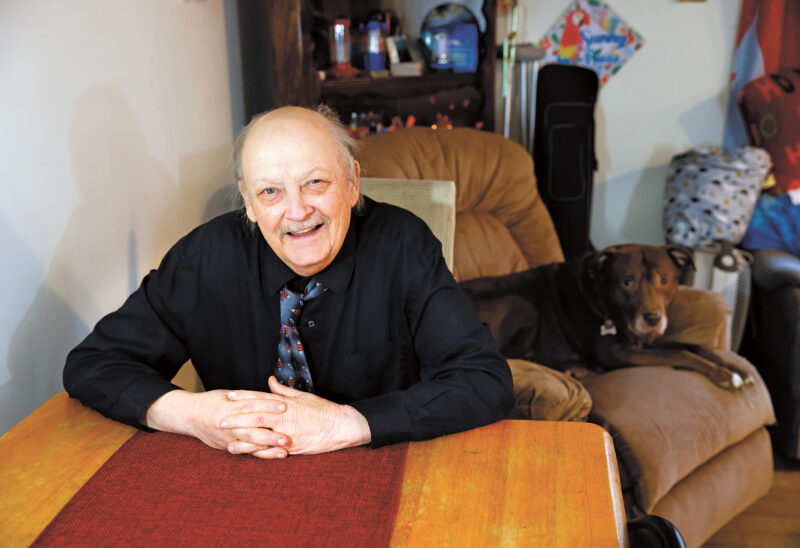
Catalyzing affordable housing through impact investments
Impact investments are helping affordable housing get off the ground by providing catalytic, early-stage funding. Funding sources for things like pre-construction engineering can be difficult to secure — but without such engineering, construction cannot begin. So, while grantmaking could not cover construction costs of an entire affordable housing complex, a modest impact investment in Twin Pines Housing Trust helped the project move forward.
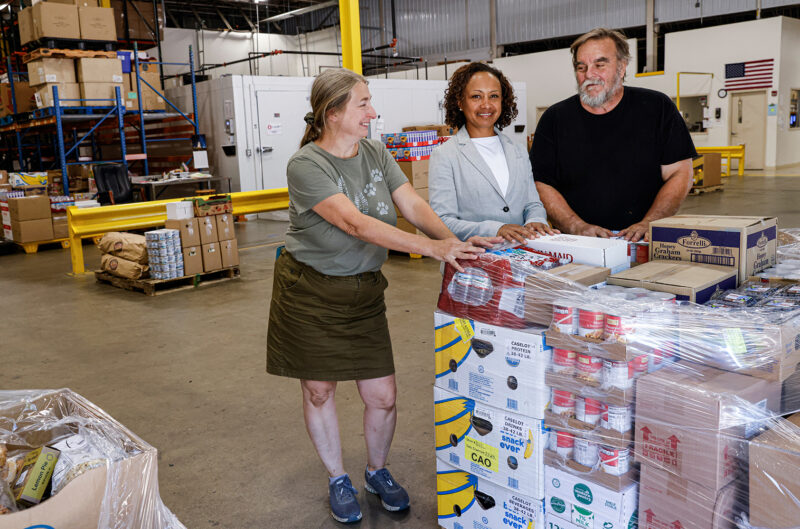
Sustaining fresh food access amid federal cuts
A grant to the New Hampshire Food Bank is helping people afford fresh, healthy produce from local farms. The Food Bank had been forced to scale back its Market Match program after federal funding was put on hold. The program gives people on food assistance a discount on food sold at farmers’ markets around the state. A grant allowed the Food Bank to continue the program at its previous level for a year despite the federal funding shortfall.
Short-term goals
Given recent federal and state policy and budget actions, our focus for the next three to five years will be:
Understand and share impacts of funding and policy changes
We will support the gathering and publicizing of the impacts, stories, and long-term outcomes of these changes. Basic needs organizations will need resources for research, story collection and information-sharing with policymakers, candidates for office, and donors.
Help nonprofits adapt
We will help nonprofits explore changes that might help them survive and thrive. Non-profits in this sector are highly creative and innovative, and despite the strong headwinds, remain deeply committed to serving the most vulnerable. Support will include funding for programs, feasibility studies, capital improvements, and staffing.
Support nonprofit workforce
We will help organizations identify and acquire the tools and resources needed to support frontline workers and volunteers. As organizations and services downsize, staff and volunteers will face increasing workloads, higher demand, and limited or inadequate tools. This support will include funding for professional development, collaborative networking, equipment and technology, and volunteer development.
Stories and Updates

Safe, lifelong homes for adults with developmental disabilities
Visions for Creative Housing Solutions provides permanent, affordable housing with round-the-clock support.
Alleviating hunger in New Hampshire: How you can help
Laura Milliken of NH Hunger Solutions explains the effects of recent government shutdown and other developments — and ways to help.

Nonprofit hunger-relief agencies work to fill gaps as SNAP expires
Federal program that helps people purchase nutritious foods expected to be interrupted due to government shutdown. New Hampshire hunger-relief agencies will need additional support to meet increased need.
For more information, contact:

- Ben Amsden
- Initiative Leader, Basic Needs and Impact Investing
 603-225-6641 ext 225
 Email Ben