
Early Childhood and Family Supports
We believe that every child should have access to high-quality, affordable childcare and early education and every family should be able to provide and care for their children.
Why it matters
Today’s young children are the people who will sustain our communities tomorrow. It has been proven that high-quality childcare and early education, combined with support for families, can maximize children’s brain development and potential, improve parent and child emotional health and well-being, strengthen confidence and resilience, boost educational outcomes and increase family economic mobility by helping parents be able to work.
But many young children and families do not have access to such care and support. Families with low incomes, those in rural and isolated areas, and many people of color have the least access to the kind of care and family support that will ensure children are able to thrive in school and grow into adults who thrive in families, communities and careers.
Every dollar invested in our youngest children returns an estimated $7-13 in increased lifetime earnings and decreased societal costs. But New Hampshire has not made sufficient investments. Very few families have access to high-quality childcare in their communities. Waitlists are long, costs are high, and trained early-childhood educators are in short supply. The state’s family resource centers, which provide critical services to families, are in perennial need of reliable funding. And recent cuts at the federal level will have an outsized impact on the youngest now that will reverberate through our communities and economy in the future.
By the numbers
7,000
Number of childcare slots needed in New Hampshire to meet current demand
$29,763
The average annual price for both an infant and a four-year old in center-based care in New Hampshire in 2024.
$16.62
The median hourly wage for a New Hampshire childcare worker in 2024. The median hourly wage for all New Hampshire workers is $25.29.
$425,186
Annual household income required for a Granite State family with two children to meet the U.S. Dept. of HHS definition of affordable childcare (7% of a household’s income).
What we're doing
The Foundation is providing flexible operating support to nonprofits providing direct services; working to drive increased public investment and policy change to improve outcomes for young children and families; and supporting community leaders and families to design common-sense solutions. We are working with generous donors and fellow funders to maximize our shared impact for young children and families. Here are a few examples of what we’re doing:
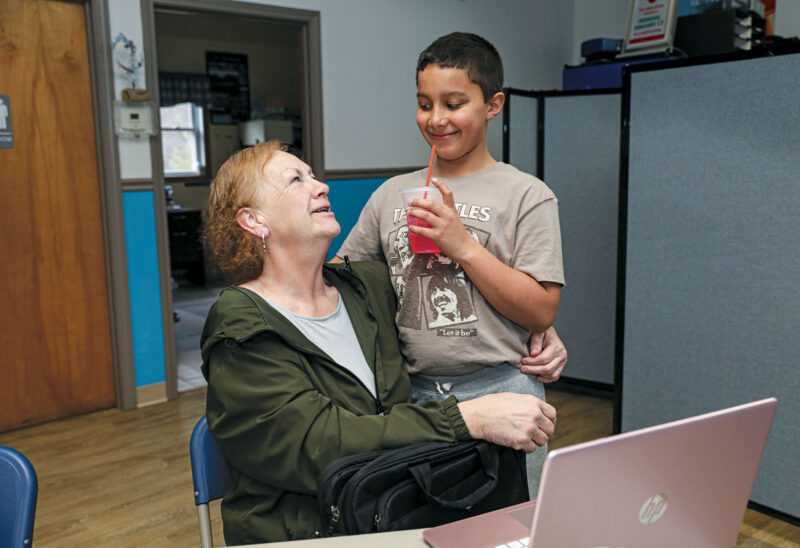
Flexible funding to the state’s network of family resource centers
Family resource centers provide a range of services from parenting classes to teen programs and connecting families to other community support. The Foundation is also working alongside family resource centers to raise funds to address emergency needs. At a time of increased uncertainty in federal funding, vulnerable families face increased costs and changes to critical safety-net programs.

Expanding investment in childcare
Through a partnership with fellow donors and local community partners, we are working to help childcare providers access federal grant dollars. A grant to the Grafton Regional Development Corporation, which has deep experience in engaging business and community, will help develop ways for businesses, municipalities and other partners to work together to support childcare.

Increasing childcare options for families
We are working with community groups and families to create common-sense solutions for high-quality childcare in their towns and neighborhoods, including family childcare. This can be as simple as funding for safety equipment or help navigating complex state licensing requirements. A grant to the United Way of Greater Nashua is helping increase family-based care in southern New Hampshire. (Photo by Gabriela Lozada for NHPR)
Short-term goals
Given recent federal and state policy and budget actions, our focus for the next three to five years will be:
Maintain and expand availability of childcare slots
- Fund nonprofit early care and education providers.
- Support efforts to increase early-childhood slots in center-based and home-based care as well as in school-based partnerships.
- Work with a network of local and national funders to apply philanthropic dollars to secure increased public investment.
- Fund efforts to expand New Hampshire families’ access to state childcare scholarships.
- Support initiatives that help people to enter into, advance and make a thriving wage in the early-childhood workforce.
Increase public understanding of the flawed unsustainable model of funding childcare
- Fund research into the true cost of providing high-quality early childhood care and education coupled with investments in providers and parents to use their voice to inform data-driven solutions to the crisis in accessibility and affordability.
Help nonprofits adapt and thrive
- Support operations of childcare providers and family support organizations to continue critical programs.
- Fund documentation and information-sharing about the impact of budget cuts and safety-net program changes on vulnerable families.
- Support implementation of strategies and innovations to help nonprofits meet their missions.
Stories and updates

Working together on child care solutions
The situation was dire. One town came together to fix it.
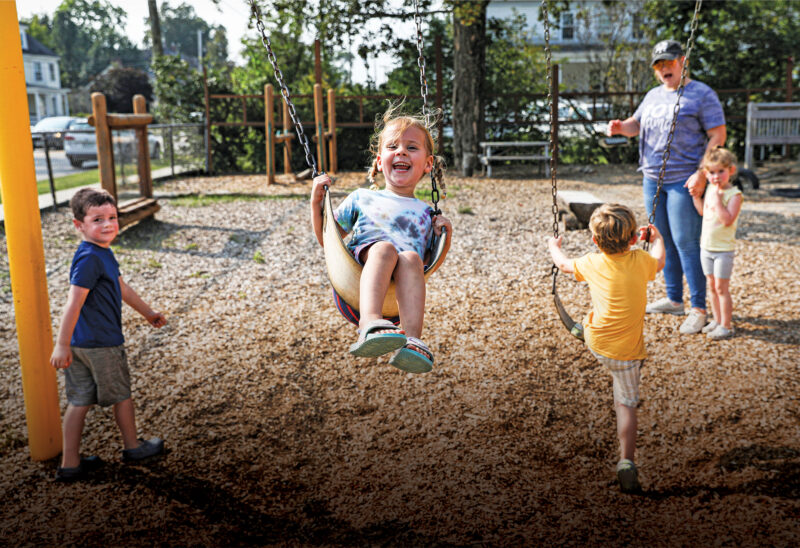
America runs on child care
New Hampshire nonprofits are working on innovations, collaborations and solutions to the child care crisis — from the policy level to the paycheck level.
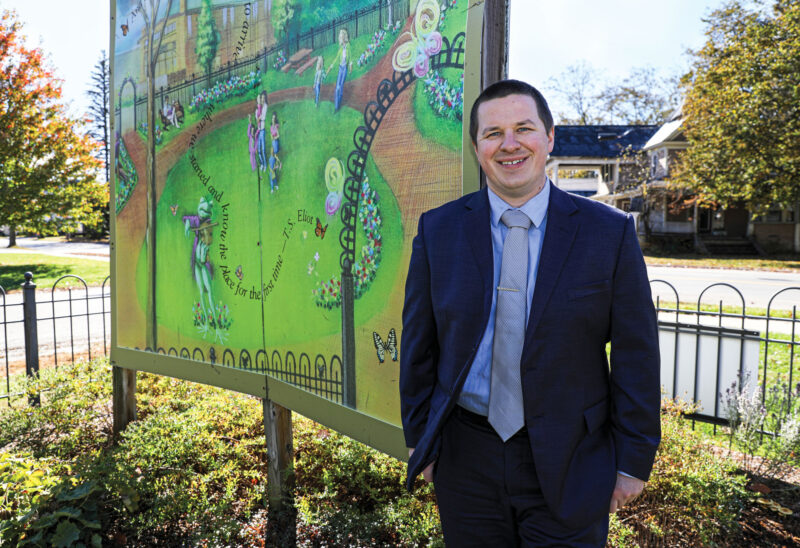
Bringing it Home
The Monadnock Economic Development Corporation is working to increase child care availability in the region through the “Bringing it Home” program, which is supporting in-home child care providers.
For more information, contact:

- Christina D’Allesandro
- Initiative Leader, Early Childhood and Family Supports
 603-225-6641 ext 262
 Email Christina